
Equipment data for the operation you run
Manufacturers are the core of OpenGXT's work. Distribution centers and cold storage are served for their equipment only. The same data model and the same services apply to all of them.
For: Plant managers, operations leads and engineers deciding where to start
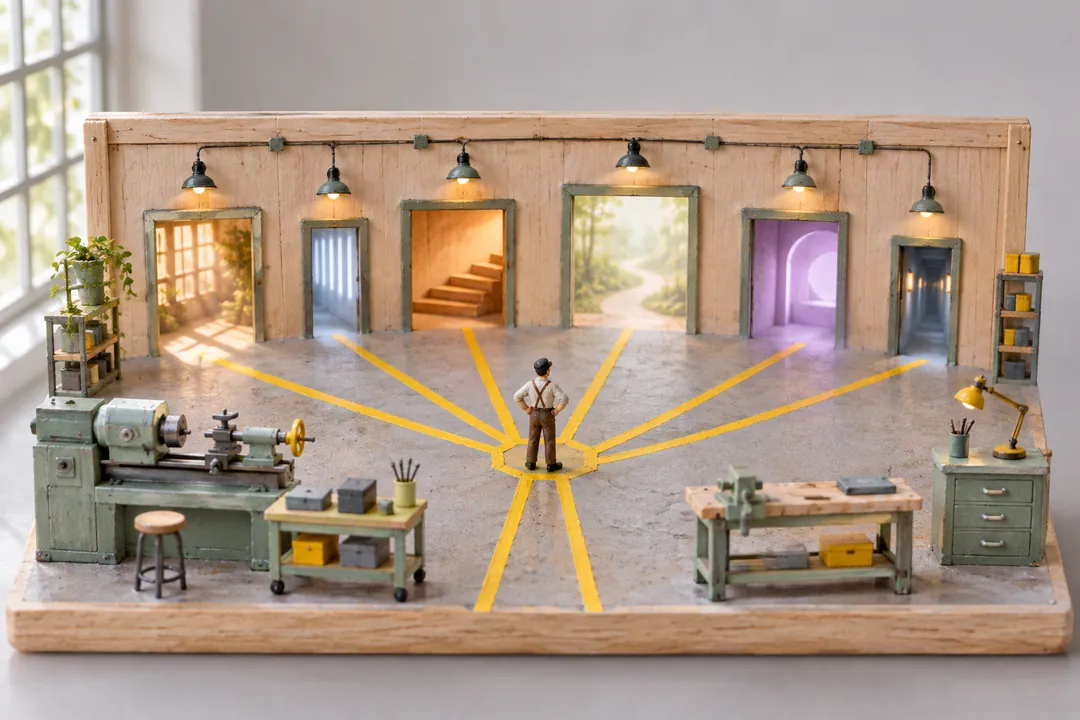
OpenGXT builds, hosts and maintains software that turns equipment signals into shift-level answers: what was made, how many minutes were lost and to what, how quality held, what the machines need next and how much energy each unit took. The equipment changes from one operation to the next. A CNC control, a bottle filler, an injection press and a sorter all report in different signals. The questions a plant manager asks at the start of the day change much less.
The pages below describe each type of operation we work with: the signals that usually matter, the questions buyers ask first, what you provide and what you receive, and a labeled fictional example of one shift.
Manufacturers are the core
Most of our work is with manufacturers that run machines and lines:
- Machine shops: CNC machining and metal fabrication, where utilization, setup time and cycle time against the quote matter most.
- Food and beverage: processing and packaging lines, where sanitation has to be kept apart from downtime and changeovers are frequent.
- Plastics and packaging: injection molding, extrusion and converting, where output depends on cycle time, active cavities and scrap by cause.
- Multi-site operations: companies that want to compare lines and plants on the same definitions.
Distribution centers and cold storage: equipment only
In distribution centers and cold storage we work with the equipment and nothing else: conveyors, sorters, dock doors, battery chargers, refrigeration compressors, room temperatures and energy. We do not do inventory management, order or shipment tracking, WMS or TMS work, barcodes or RFID, or food traceability. Those stay in the systems you already run.
One data model, the same services
Every operation is described in the same ISA-95 style hierarchy: site, area, line or zone, cell and asset. A conveyor zone and a filler are both assets with states, counts, faults and meters, so the same services apply to both: machine connectivity, production monitoring, quality data, maintenance software and energy monitoring, with cloud hosting, documentation and onboarding and support and maintenance behind them.
Every engagement follows the same six stages, from the equipment and data survey to run and support, described in how we work. Your data stays exportable in open formats under our open data commitment.
If your operation is not listed, the survey is where we find out whether the signals you need are there. The first step is to plan a pilot line with us.
- Machine shops
Utilization, setups and cycle time against quote for CNC machining and fabrication.
- Food and beverage
Line OEE, changeovers, rejects and utilities per unit for processing and packaging lines.
- Plastics and packaging
Press and mold performance, scrap by cause and energy per part for molders and converters.
- Distribution centers
Conveyor and sorter faults by zone, dock doors and energy. Equipment only.
- Cold storage
Temperatures, doors, compressor runtime, defrost and energy by room. Equipment only.
- Multi-site operations
One data model and KPI dictionary across lines and plants, rolled out site by site.
Start with one line.
Tell us which line you want to understand and the question you ask after every shift. We reply with questions or a time to walk it with you.